

Oil Filter
Most pressurized lubrication systems incorporate an overpressure relief valve to allow oil to bypass the filter if its flow restriction is excessive, to protect the engine from oil starvation. Filter bypass may occur if the filter is clogged or the oil is thickened by cold weather. The overpressure relief valve is frequently incorporated into the oil filter. Filters mounted such that oil tends to drain from them usually incorporate an anti-drainback valve to hold oil in the filter after the engine (or other lubrication system) is shut down. This is done to avoid a delay in oil pressure buildup once the system is restarted; without an anti-drainback valve, pressurized oil would have to fill the filter before travelling onward to the engine's working parts. This situation can cause premature wear of moving parts due to initial lack of oil.
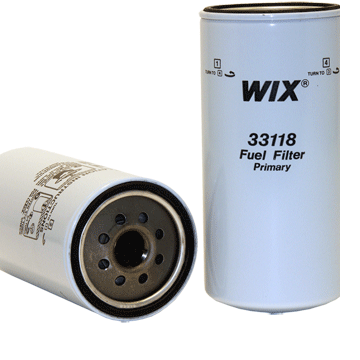
Fuel filter
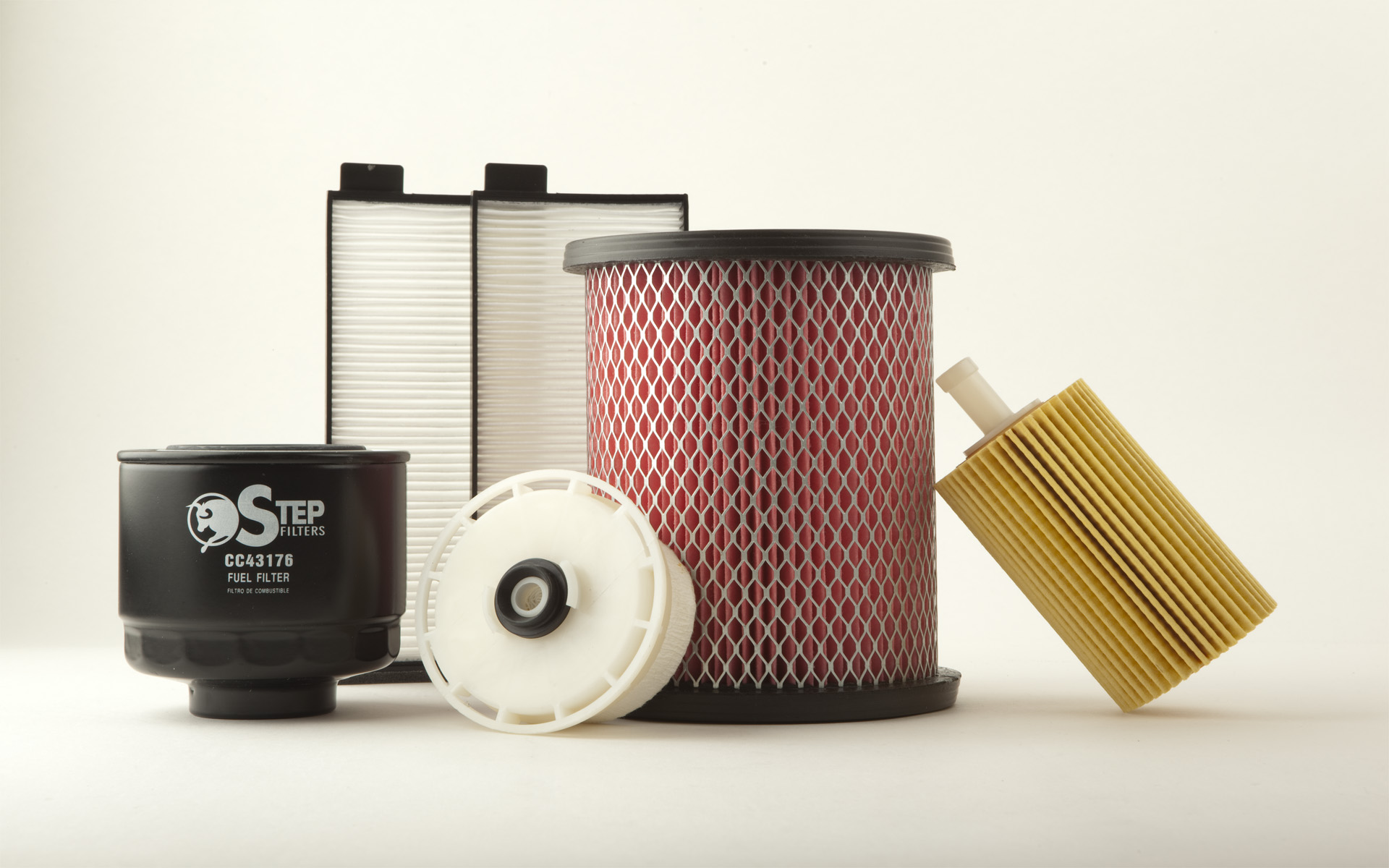
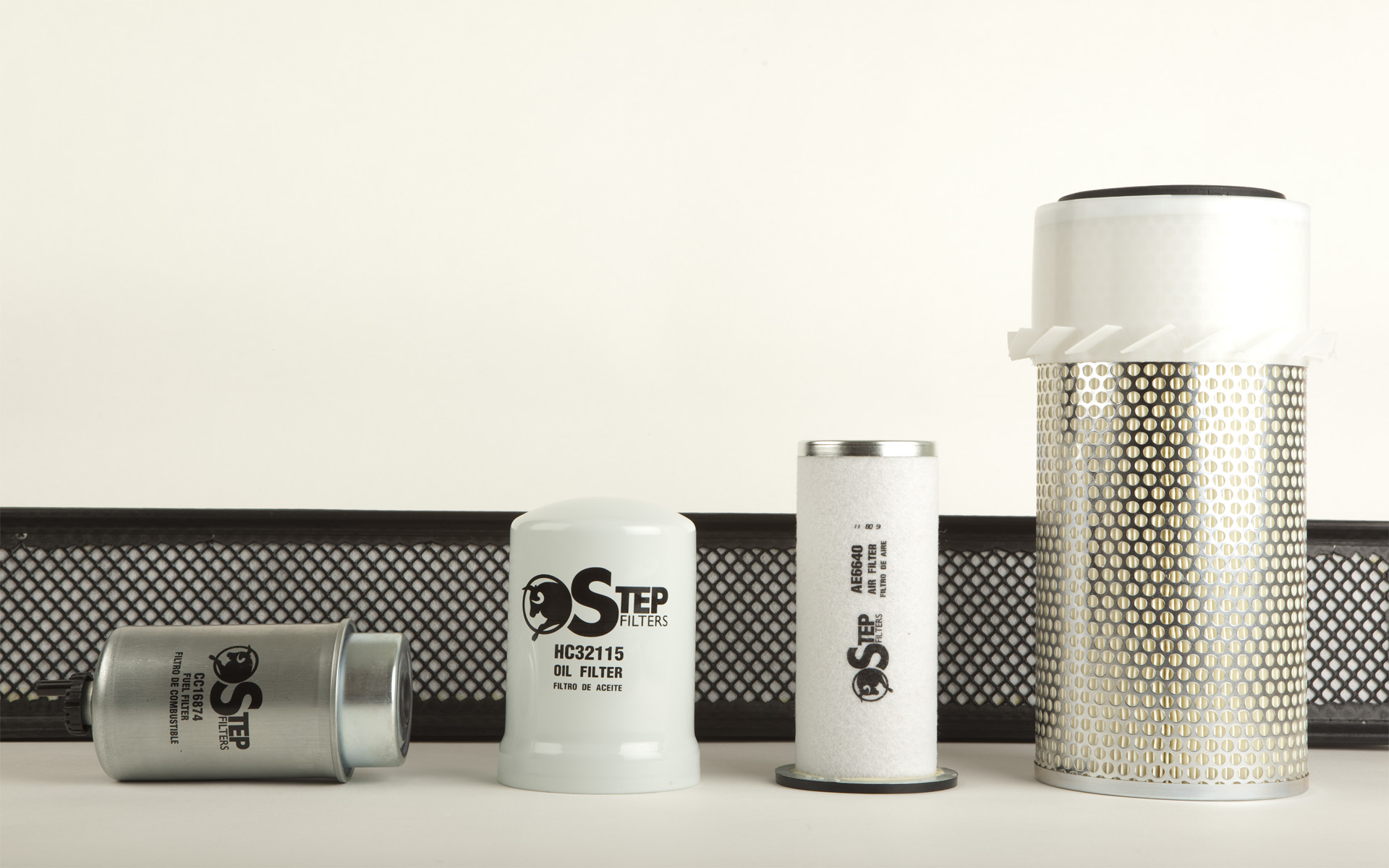
Fuel filters serve a vital function in today's modern, tight-tolerance engine fuel systems. Unfiltered fuel may contain several kinds of contamination, for example paint chips and dirt that has been knocked into the tank while filling, or rust caused by moisture in a steel tank. If these substances are not removed before the fuel enters the system, they will cause rapid wear and failure of the fuel pump and injectors, due to the abrasive action of the particles on the high-precision components used in modern injection systems. Fuel filters also improve performance, as the fewer contaminants present in the fuel, the more efficiently it can be burnt.
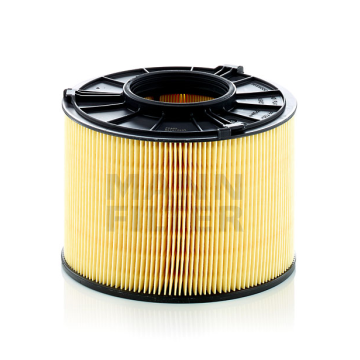
Air Filter
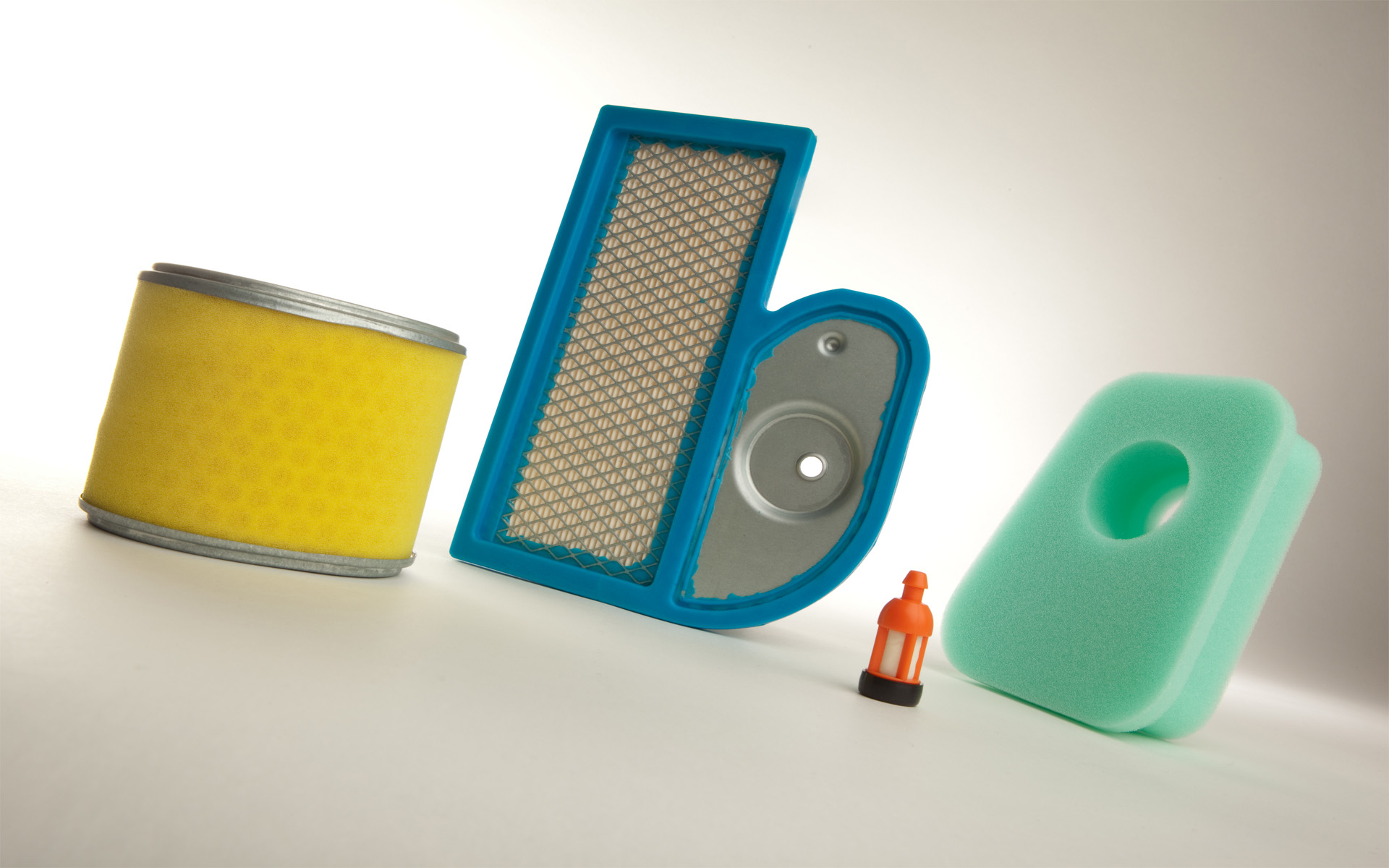
A particulate air filter is a device composed of fibrous or porous materials which removes solid particulates such as dust, pollen, mold, and bacteria from the air. Filters containing an absorbent or catalyst such as charcoal (carbon) may also remove odors and gaseous pollutants such as volatile organic compounds or ozone.[1] Air filters are used in applications where air quality is important, notably in building ventilation systems and in engines.